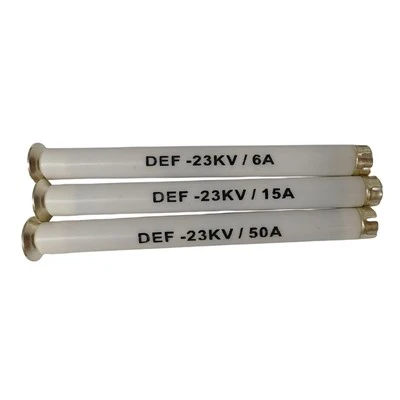
Proper storage of China fuses is crucial for maintaining their performance and ensuring their safety when used. As a China fuse supplier, I understand the significance of providing clear guidance on how to store these essential electrical components. In this blog, I'll share some key insights on the proper storage methods for China fuses.
Understanding the Importance of Proper Storage
Fuses are designed to protect electrical circuits from overcurrent conditions. However, their effectiveness can be compromised if they are not stored correctly. Environmental factors such as temperature, humidity, and exposure to contaminants can all have a negative impact on the performance and lifespan of fuses. By storing fuses properly, you can ensure that they remain in optimal condition and are ready to perform their protective function when needed.


Temperature and Humidity Control
One of the most important factors to consider when storing China fuses is temperature and humidity. Fuses should be stored in a cool, dry environment to prevent moisture from causing corrosion or other damage. The ideal temperature range for storing fuses is between 20°C and 25°C (68°F and 77°F), with a relative humidity of less than 60%.
Excessive heat can cause the fuse elements to expand, which may lead to premature failure. On the other hand, extreme cold can make the fuse elements brittle and more prone to breakage. Therefore, it's important to avoid storing fuses in areas that are subject to significant temperature fluctuations, such as near heating or cooling vents.
Humidity can also be a major problem for fuses. Moisture can cause corrosion on the fuse terminals and other components, which can increase the resistance and reduce the effectiveness of the fuse. To prevent this, fuses should be stored in airtight containers or packaging that can protect them from moisture.
Protection from Contaminants
In addition to temperature and humidity, fuses should also be protected from contaminants such as dust, dirt, and chemicals. These contaminants can accumulate on the fuse elements and terminals, which can affect their performance and reliability.
To protect fuses from contaminants, they should be stored in clean, sealed containers or packaging. If fuses are stored in a workshop or other industrial environment, it's important to keep them away from sources of dust and dirt, such as machinery or construction areas.
Chemicals can also pose a threat to fuses. Some chemicals, such as acids and solvents, can corrode the fuse elements and terminals, which can cause them to fail. Therefore, it's important to avoid storing fuses near chemicals or other substances that could potentially damage them.
Proper Packaging and Labeling
Proper packaging and labeling are also important for storing China fuses. Fuses should be packaged in a way that protects them from damage during storage and transportation. This may include using foam or other cushioning materials to prevent the fuses from moving around inside the package.
Labeling is also important for identifying the type and rating of the fuses. Each fuse should be labeled with its amperage rating, voltage rating, and other relevant information. This makes it easier to select the correct fuse for a particular application and ensures that the fuses are used safely and effectively.
Storage of Different Types of Fuses
There are several different types of China fuses available, each with its own unique storage requirements. Here are some guidelines for storing different types of fuses:
Dual Sensing Fuse
Dual Sensing Fuses are designed to provide both overcurrent and overvoltage protection. These fuses should be stored in a cool, dry environment to prevent moisture from causing damage to the sensing elements. They should also be protected from contaminants and stored in airtight containers or packaging. For more information on Dual Sensing Fuses, you can visit Dual Sensing Fuse.
Current-limiting Backup Fuse
Current-limiting Backup Fuses are used to protect electrical circuits from short circuits and other overcurrent conditions. These fuses should be stored in a cool, dry environment to prevent the fuse elements from overheating. They should also be protected from contaminants and stored in airtight containers or packaging. For more information on Current-limiting Backup Fuses, you can visit Current-limiting Backup Fuse.
Bay-O-Net Fuse Holder
Bay-O-Net Fuse Holders are used to hold fuses in place and provide a secure connection to the electrical circuit. These fuse holders should be stored in a clean, dry environment to prevent corrosion and other damage. They should also be protected from contaminants and stored in airtight containers or packaging. For more information on Bay-O-Net Fuse Holders, you can visit Bay-O-Net Fuse Holder.
Regular Inspection and Maintenance
Even if fuses are stored properly, it's still important to conduct regular inspections and maintenance to ensure that they are in good condition. This may include checking the fuses for signs of damage, such as cracks or corrosion, and testing them to ensure that they are functioning properly.
If a fuse is found to be damaged or not functioning properly, it should be replaced immediately. Using a damaged or faulty fuse can pose a serious safety risk and may cause damage to the electrical circuit or equipment.
Conclusion
Proper storage of China fuses is essential for maintaining their performance and ensuring their safety when used. By following the guidelines outlined in this blog, you can ensure that your fuses are stored in a way that protects them from environmental factors, contaminants, and other potential sources of damage.
If you have any questions or need further information on how to store China fuses properly, please don't hesitate to contact us. We are a leading supplier of high-quality China fuses and can provide you with the guidance and support you need to ensure that your fuses are stored and used safely and effectively.
References
- Electrical Safety Standards and Guidelines
- Manufacturer's Recommendations for Fuse Storage