What is a three-clamp secondary bushing? What role does it play in power equipment?
In power equipment such as distribution transformers and current transformers, bushings are key components connecting the internal live conductors of the equipment to the external circuit, undertaking the triple functions of insulation, sealing, and current conduction. As an important type of bushing, the three-clamp secondary bushing, with its unique fixing structure and excellent sealing performance, has been widely used in medium and low voltage power distribution equipment. This article will systematically explain the definition, structural composition, working principle, and core functions of the three-clamp secondary bushing in power equipment.
I. What is a secondary bushing?
To understand the three-clamp secondary bushing, it is necessary to first distinguish between the concepts of "primary bushing" and "secondary bushing."
In a transformer, current enters the high-voltage side winding from the high-voltage grid, and after transformation, is output from the low-voltage side to the user-side distribution network. The lead-out device connected to the high-voltage side winding is called the primary bushing (high-voltage bushing), with a rated voltage typically above 10kV and extremely high insulation requirements. The lead-out device connected to the low-voltage side winding is called the secondary bushing (low-voltage bushing), with a rated voltage generally in the range of 0.4kV to 1.2kV, directly facing the low-voltage distribution side.
Therefore, the secondary bushing is the electrical channel between the low-voltage side of the transformer and external low-voltage lines, and is the outlet for low-voltage electrical energy transmission. A typical 10kV/0.4kV distribution transformer is usually equipped with 4 to 6 secondary bushings, corresponding to the lead-out terminals of each phase conductor and the neutral line on the low-voltage side.
II. What is a three-clamp structure?
"Three-clamp" describes the mechanical fixing and sealing method between the bushing and the transformer tank cover (or equipment mounting plate).
Traditional bushings often use a bolted flange structure, requiring multiple bolt holes to be drilled in the equipment casing, and several bolts to tighten and fix the bushing flange. This installation method is cumbersome, and uneven bolt tightening torque can easily cause excessive local stress on the sealing ring, leading to damage and leakage.
The three-clamp structure, on the other hand, uses three metal clamps at the bushing neck. Through the coordinated clamping of these three fixing points, the bushing is firmly locked to the mounting hole, and a rubber sealing ring is used to achieve a complete seal. The three clamps have clearly defined functions: the first clamp is responsible for initial positioning and preventing displacement; the second clamp acts as the main sealing pressure point, working with the sealing ring to prevent insulating oil leakage; and the third clamp provides auxiliary locking, enhancing the bushing's stability in long-term operating vibration environments.
Compared to the bolted flange structure, the three-clamp structure has lower requirements for the machining precision of the mounting holes, eliminates the need for dense drilling on the tank cover, simplifies installation and disassembly, provides more even stress on the sealing surface, and significantly reduces the risk of oil leakage. It is particularly suitable for fully sealed oil-immersed transformer applications.
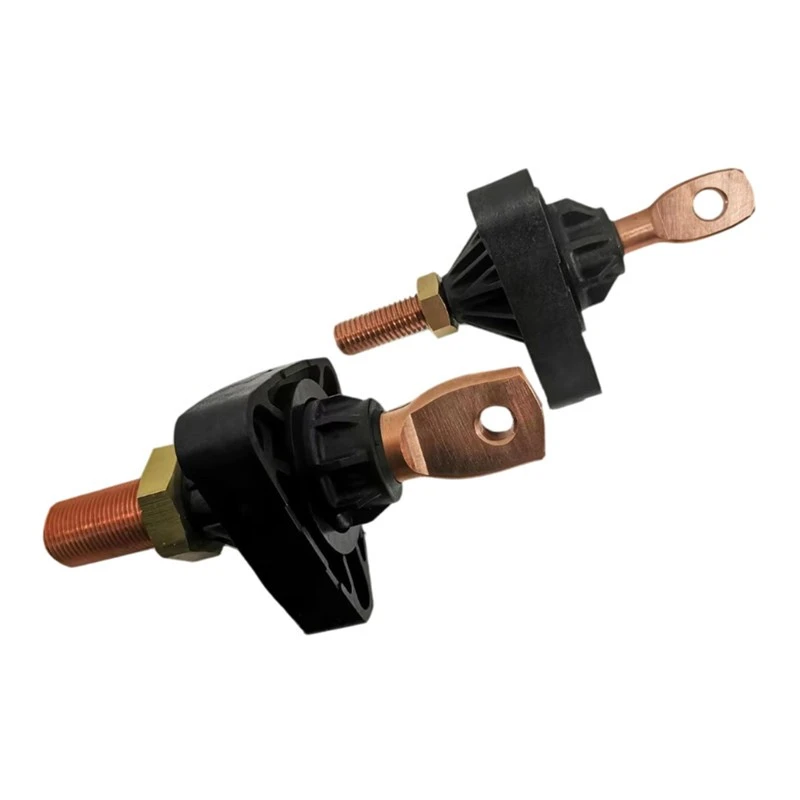
III. Structural Components of a Three-Clamp Secondary Bushing A complete three-clamp secondary bushing typically consists of the following parts:
Insulator (Main Body) The insulator is the core of the bushing. There are three main types of materials: epoxy resin castings, which offer good insulation, high mechanical strength, moisture and dirt resistance, and are lightweight, are currently the most widely used material; ceramic bushings are resistant to high temperatures and aging, but are brittle and fragile, requiring extra care during installation; and silicone rubber composite materials offer good flexibility and strong resistance to flashover, making them suitable for harsh operating environments with high humidity or high salt spray.
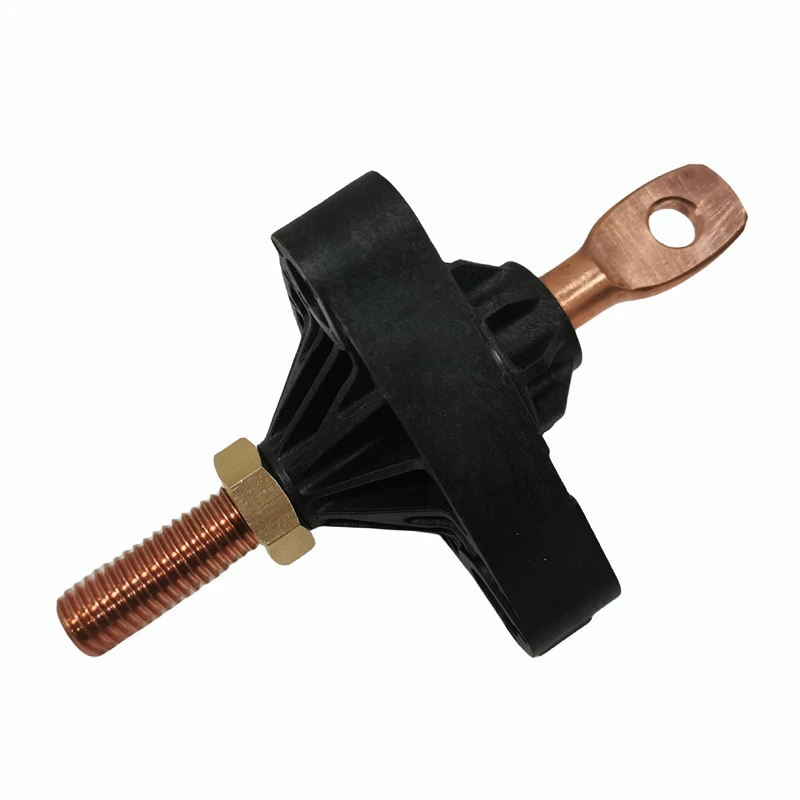
Conductive Rod The copper or aluminum conductive rod, penetrating the center of the insulator, is responsible for electrically connecting the leads of the transformer's internal low-voltage windings to the external terminals, serving as the channel for actual current transmission. The cross-sectional area of the conductive rod determines the bushing's rated current-carrying capacity. For example, a bushing rated at 600A requires a conductive rod cross-sectional area that meets the corresponding current-carrying capacity and temperature rise requirements.
Three-clamp metal clamps, typically made of stainless steel or galvanized steel, are fixed to the bushing neck using bolts or quick-lock mechanisms. They work in conjunction with a sealing ring to achieve mechanical locking and oil sealing.
The sealing ring, made of oil-resistant rubber, is installed in a sealing groove between the bushing and the housing cover mounting hole to prevent transformer insulating oil from leaking out through installation gaps, maintaining a fully sealed state.
The terminal block, located at the top of the bushing, provides an interface for bolt crimping or copper busbar connection, facilitating quick and reliable connection of low-voltage distribution cables.
IV. The Role of Three-Clamp Secondary Bushings in Power Equipment
Three-clamp secondary bushings perform the following four core functions in power systems:
① Insulation and Isolation: The bushing completely isolates the energized internal conductor from the grounded equipment casing, preventing short circuits or grounding faults caused by direct contact between the conductor and the casing. Under rated 1.2kV operating conditions, the bushing insulator must withstand the power frequency operating voltage for extended periods and pass specified power frequency withstand voltage and impulse withstand voltage tests to ensure no insulation breakdown or surface flashover occurs.
② Current Conduction
A bushing rated at 600A can sustainably carry a 600-ampere operating current while keeping temperature rise within permissible limits. This ensures efficient transmission of low-voltage power from the transformer to the external distribution network, preventing contact heating or accelerated insulation aging due to insufficient conductive cross-section.
③ Mechanical Support and Sealing
The bushing is secured to the transformer tank cover using a three-clamp mechanism. This provides a stable connection point for external low-voltage cables and copper busbars, withstanding the tensile and bending moments generated by external connections. Furthermore, in conjunction with a sealing ring, it prevents leakage of internal transformer insulating oil, maintaining a fully sealed operating condition and extending the service life of the insulating oil and windings.
④ Overvoltage Withstandability and Protection Coordination
In the event of lightning strikes or operational overvoltages, the bushing's impulse withstand voltage level must match the overall insulation design of the equipment to prevent the bushing from becoming the weakest link to break down under overvoltage impacts. This is the fundamental reason why the bushing's rated voltage (1.2kV) must be higher than the system's highest normal operating voltage (approximately 0.48kV).
V. Main Application Scenarios
Triple-clamp secondary bushings are mainly used in the following types of power equipment:
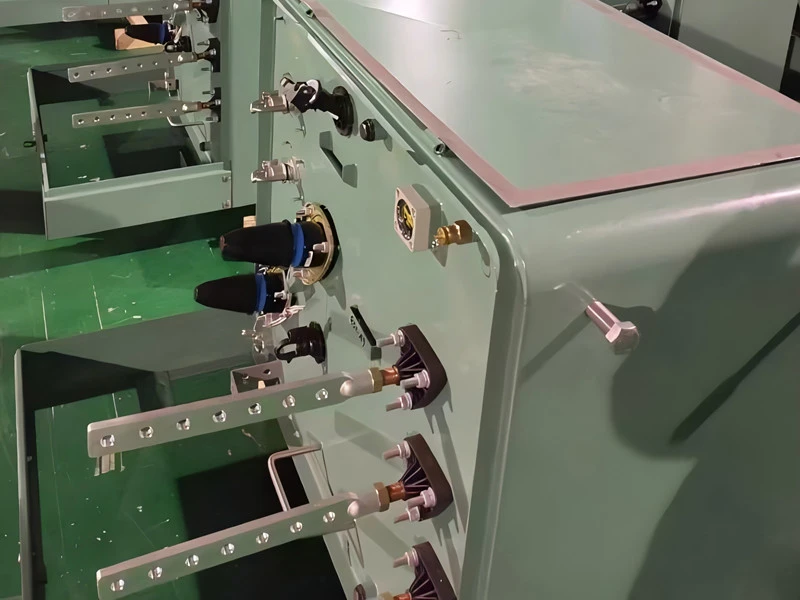
Oil-immersed distribution transformers (10kV/0.4kV): The most core application scenario; almost all fully sealed transformers use secondary bushings with triple-clamp or similar clamping structures.
Current transformers and voltage transformers: Outlet bushings for the low-voltage side secondary winding leads.
Box-type substations: Low-voltage side bushings for transformers inside compact outdoor power distribution equipment.
Special transformers: Low-voltage side output bushings for rectifier transformers, traction transformers, etc.
FAQ (Frequently Asked Questions)
Q1: Is the "1.2kV" on a three-clamp secondary bushing the maximum operating voltage or the rated power frequency voltage?
A: 1.2kV is the bushing's rated maximum operating voltage (Um), which is the upper limit of voltage that the equipment can withstand during normal operation. It does not represent the breakdown voltage. The actual system operating voltage (usually 0.4kV) is far lower than this value, providing sufficient insulation margin.
Q2: Can a 600A bushing be used on equipment with a relatively low actual current?
A: Absolutely. The rated current is the upper limit that the bushing can withstand. Using it below the rated current will not affect the bushing's lifespan or performance. However, bushings with a rated current lower than the actual requirement should not be used in reverse, otherwise overheating will cause premature aging or even damage to the insulation.
Q3: Which has a more reliable seal, a three-clamp structure or a flange bolt fixing?
A: Under standard installation conditions, the sealing uniformity of a three-clamp structure is generally better than that of a flange bolt structure because the uniform circumferential clamping force generated by the clamps on the sealing ring makes it less likely to experience localized insufficient sealing problems than multi-point bolt tightening.