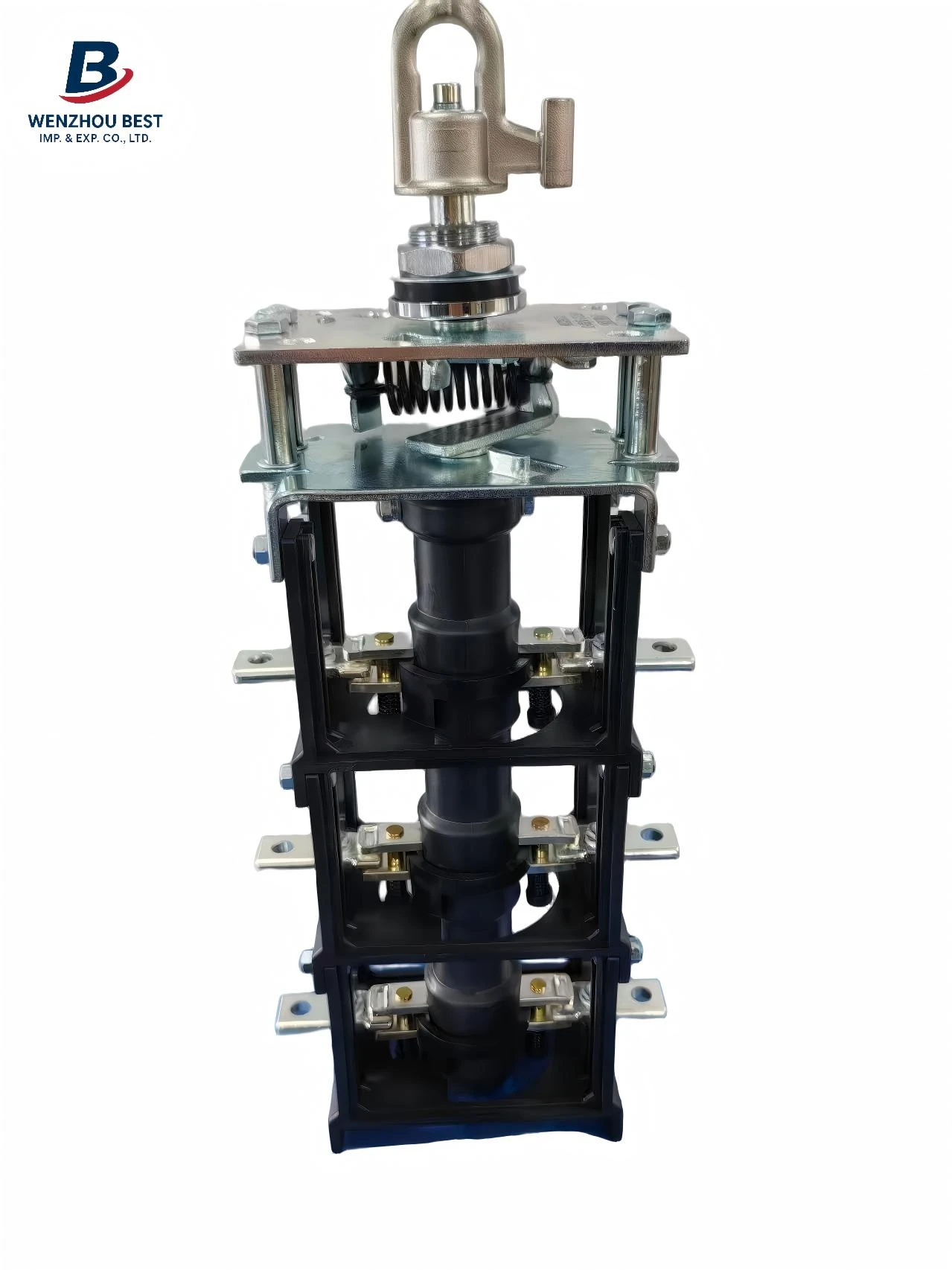
The technical performance of cable accessories serves as a critical foundation for ensuring the safe operation of power systems. Among these attributes, electrical performance constitutes the core set of indicators, encompassing rated voltage, rated current, and dielectric strength. Accessories must be capable of withstanding operating voltages and system loads while maintaining robust insulation characteristics within high-voltage environments; this prevents partial discharge and dielectric breakdown, thereby guaranteeing the safe and stable operation of the cable line.
Mechanical performance also constitutes a vital parameter for cable accessories. During installation and operation, accessories are subjected to tensile forces, compressive stresses, and vibrations; consequently, they must possess sufficient resistance to tension, compression, and impact. Furthermore, their structural design must account for factors such as bending stresses and thermal expansion/contraction to ensure stability within complex environments-preventing cracks or deformation-and thereby guaranteeing the long-term reliability of the cable system.
The environmental adaptability of cable accessories directly correlates with their service life. The materials utilized must exhibit characteristics such as resistance to extreme temperatures, aging, and ultraviolet radiation, as well as flame retardancy, ensuring that performance remains stable even in humid, corrosive, or outdoor environments. Through the scientific selection and judicious design of these technical parameters, cable accessories effectively safeguard the long-term safety and operational reliability of cable lines.