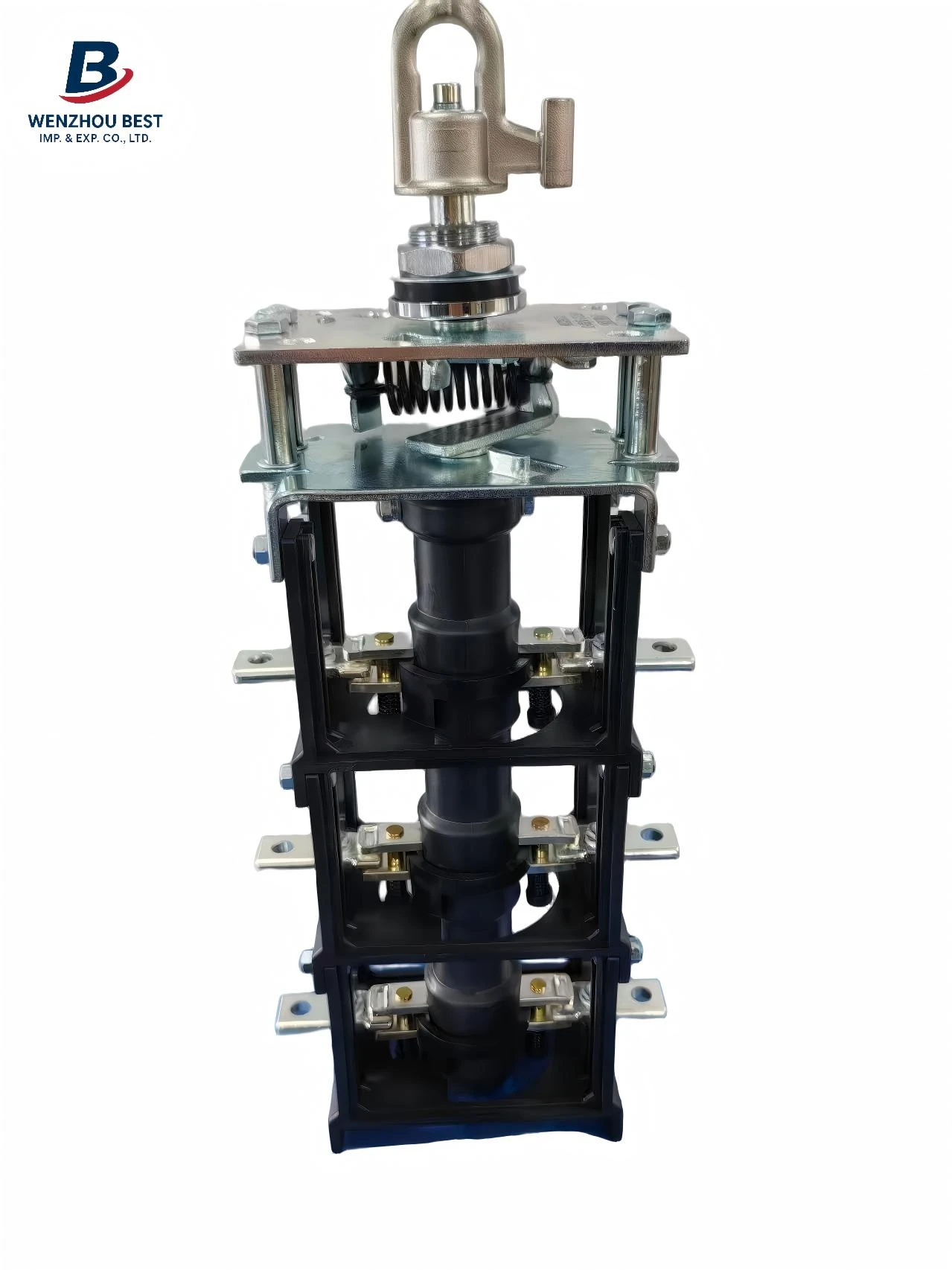
Voltage transformers is an important measuring and protecting device in power system. Its main function is to reduce the high voltage to standard low voltage in a certain proportion, so as to provide safe and accurate voltage signals for energy metering, relay protection, automatic control and monitoring equipment. Different power system architectures and operation requirements necessitate different wiring configurations. Choosing the appropriate wiring method can not only improve measurement accuracy, but also ensure the reliable operation of relay protection devices, so as to ensure the safe and stable operation of power system. The following are six commonly used voltage transformer wiring methods and their characteristics.

1. Single-phase wiring
Single-phase cabling is the most basic and common method, usually connecting a single-phase voltage transformer between a single-phase line (or single-phase of a three-phase system) and the ground.
The configuration is simple, cost-effective, easy to install and maintain, and suitable for single-phase load, distribution line monitoring and some low-voltage measurement applications. It can meet basic measurement needs when only the voltage of a particular phase requires to be monitored.
However, since single phase cabling reflects only one phase voltage status and doesnot provide a complete picture of the operation of three-phase system, the frequency of use is low in large substations or where full three-phase monitoring is required.
2.V connection using two voltage transformers
Also known as an "open triangle" or a "V-shaped connection," this method typically employs two single-phase voltage transformers to connect two phases of a three-phase system to form a V-shaped structure.
This method can measure the voltage of three-phase line, reduce the count of equipments of a transformer and reduce the investment cost. It is widely used in medium voltage distribution system such as 10kV and 35kV.
While V-connections are cost-effective, the absence of a third transformer means that measurement accuracy can be compromised during severe system imbalances or failures; consequently, V-connections are generally suitable for situations where extremely high measurement precision is not required.
3. Star connection using three single-phase voltage transformers
Star-shaped connection consists of three single-phase voltage transformers, each connected to one of the three phases (A, B and C); the secondary transformer is also usually configured with a star-shaped connection. This wiring configuration, which can measure phase voltages and line voltages comprehensively, is one of the most widely used cabling methods in substation, power plant and large distribution system.
The configuration of Starlink provides complete and accurate voltage data for relay protection, automation devices, energy metering and monitoring systems, which are critical to modern smart grids. In addition, this setup facilitates fault analysis and maintenance, even if individual equipment is experience anomalies.
4. Connection of three-phase and five-column voltage transformer
Three-phase and five-pillar voltage transformer can integrate three-phase core into a single unit and include a zero-sequence voltage winding, which can directly output a zero-sequence voltage signal.
The compact configuration, small footprint and easy installation make it a popular choice for urban substations, box substations and spatially restricted distribution projects.
It can provide both three-phase voltage and zero-sequence voltage, which is very suitable for ground fault detection, relay protection and automation systems, thus improving the system's fault diagnostic capabilities.
5. Open Triangle (Secondary) Wiring Configuration
Open triangle connector is an open triangle circuit formed on the second side of the voltage transformer. Its main function is not to measure the conventional voltage, but to detect the zero-sequence voltage of the system.
When a single phase grounding fault occurs in a power system, the open circuit outputs the remaining voltage. This provides a reliable signal to ground protection devices, triggering timely operations and preventing the escalation of failures.
Therefore, this wiring method is widely used in neutral ground or arc coil grounding systems (such as 6kV, 10kV and 35kV systems) and is an important component of relay protection systems.

6. Connection Three-Phase Combined Voltage Transformers
Three-phase combination voltage transformers combines multiple voltage transformer into a single component, providing the ability to measure, metering and protect simultaneously.
This configuration reduces the number of devices and the installation space required, while enhancing system integration and effectively meeting various needs such as energy metering, voltage monitoring, relay protection and automation control.
With the development of intelligent substation and digital distribution network, three-phase combined voltage transformers is becoming more and more popular in industry. It not only has a high installation efficiency, but also has a low maintenance requirement, which helps to reduce operating cost and improve power supply reliability.
Abstracts
When selecting the wiring configuration of voltage transformers, the factors such as grid structure, protection requirement, measurement accuracy and project investment cost should be taken into consideration. Single-phase connectors are suitable for simple measurement scenarios; V-type connectors are cost-effective; star connectors using three-phase single-phase units provide the most complete three-phase voltage information; three-phase five-terminal configurations allow zero-sequence voltage detection; open triangular connectors are primarily used for ground fault protection; and three-phase combination units are in line with smart grid development trends. Choosing the appropriate wiring method can guarantee accuracy of measurement and improve the overall performance of relay protection and automation systems.
Frequently Asked Questions
Q1: What are the most common wiring method for voltage transformers?
A: the most widely applied method is the star-shaped connection of a three-phase single-phase voltage transformer, which provides complete three-phase voltage information for a variety of applications, including energy metering, relay protection and automatic monitoring.
Q2: Why do many distribution systems use V-links?
A: The V-connector only requires two voltage transformers to measure the voltage of the three-phase line. It offers lower equipment costs and easy installation, making it a very cost-effective medium voltage distribution system.
Q3: What is the main purpose of connecting open deltas?
A: Open triangular connectors are mainly used to detect zero-order voltage and provide relay an actuation signal in case of single-phase grounding fault, not for conventional voltage measurement.
Q4: How to choose the appropriate voltage transformers wiring method?
A: We should consider the voltage level, system configuration, measurement accuracy requirements, relay protection requirement, installation space, project cost, etc., and choose the wiring scheme that best meets the actual operation needs.