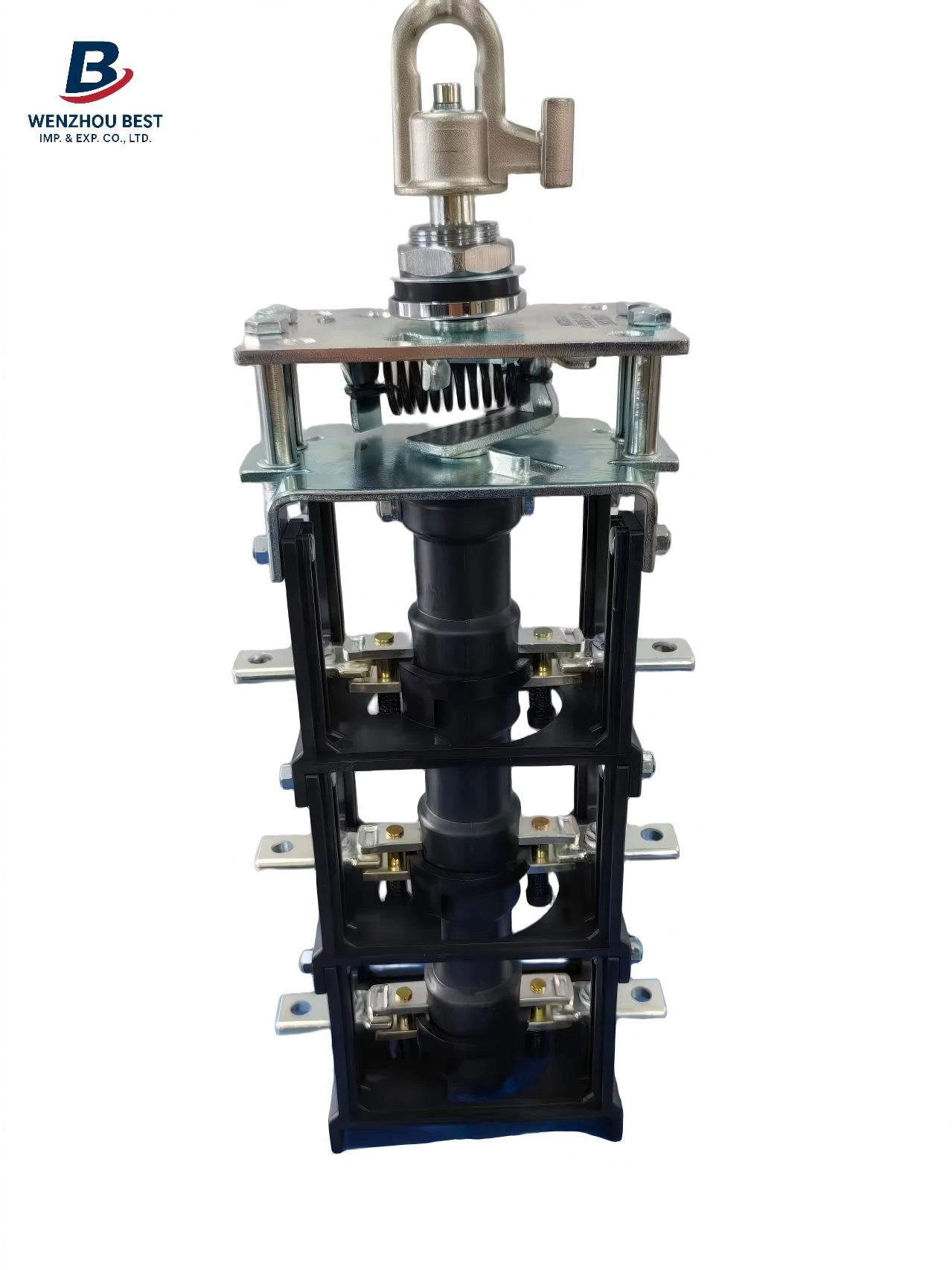
The design of high-voltage insulators generally includes electrical design, mechanical design, and thermal performance design.
The shape of the insulator's ridges is part of the electrical design. The umbrella-shaped or skirt-shaped protrusions on the surface of the insulator serve to shield against wind and rain and improve the withstand (or flashover) voltage under rain conditions. The disc-shaped portion (umbrella disc) of a disc suspension insulator is collectively referred to as the umbrella (disc).
The umbrella and ridges are collectively referred to as the umbrella ridges. The design of the umbrella and ridges is related to the design of the creepage distance. Creepage distance is one of the important characteristics of high-voltage insulators. Because in most cases, especially in polluted areas, the number of insulator discs in a transmission line string is determined by the requirement of no flashover under the operating voltage, and the creepage distance is one of the important factors determining the flashover voltage, and also determines the number of insulator discs in the tower string. How to choose? Initially determine the number of insulator discs based on the required unit creepage distance under the operating voltage, and then verify and adjust according to the requirements of overvoltage and lightning withstand levels. That is, the larger the creepage distance, the fewer insulator discs may be required.
In the actual operation of power systems, accidents caused by insulator problems account for a large proportion, especially pollution flashover accidents, which are even more dangerous.