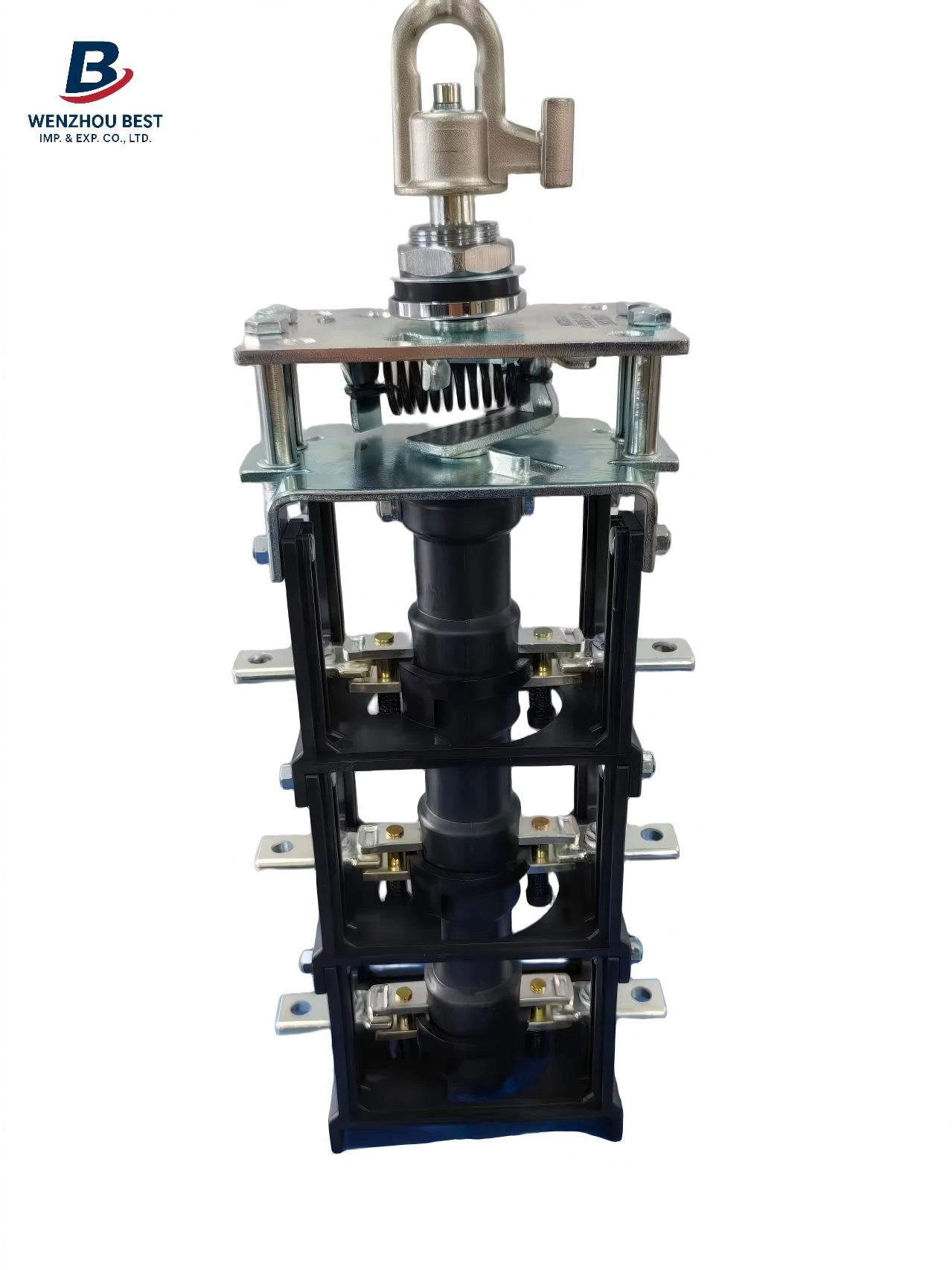
The manufacturing process for transformer components involves multiple stages, each of which directly impacts the product's performance and service life. This process can be broadly categorized into several key phases: raw material preparation, processing and manufacturing, and final assembly and commissioning.
The core materials of a transformer include silicon steel laminations, copper or aluminum wire, and various insulating materials. The silicon steel laminations undergo shearing, punching, and annealing treatments to ensure magnetic uniformity and minimize core losses. The conductive wires are drawn to precise specifications and subsequently tinned or coated with insulating varnish to enhance their conductivity and dielectric strength. Insulating materials also undergo rigorous testing to ensure their resistance to heat, voltage stress, and moisture meets all required standards.
The windings are typically precision-wound using automated winding machines to ensure accurate turn counts and uniform spacing. Once formed, the windings undergo varnish impregnation or drying treatments to enhance their mechanical strength and insulating properties. The iron core is assembled by stacking laminations according to design dimensions; through fastening and insulation treatments, a stable magnetic circuit is established. The core is then precisely integrated with the windings to ensure a continuous magnetic flux path and minimize no-load losses.
For oil-immersed transformers, the assembly phase is followed by vacuum oil filling or gas charging. Subsequently, the units undergo rigorous testing-including dielectric strength, insulation resistance, current, voltage, and temperature rise tests-to verify that all performance metrics meet the required standards. Dry-type transformers, conversely, place a critical emphasis on the epoxy casting and curing processes to prevent partial discharge caused by air voids. The entire manufacturing process is further underpinned by strict quality control protocols and environmental safety management, ensuring that every transformer component operates reliably and stably throughout its service life.