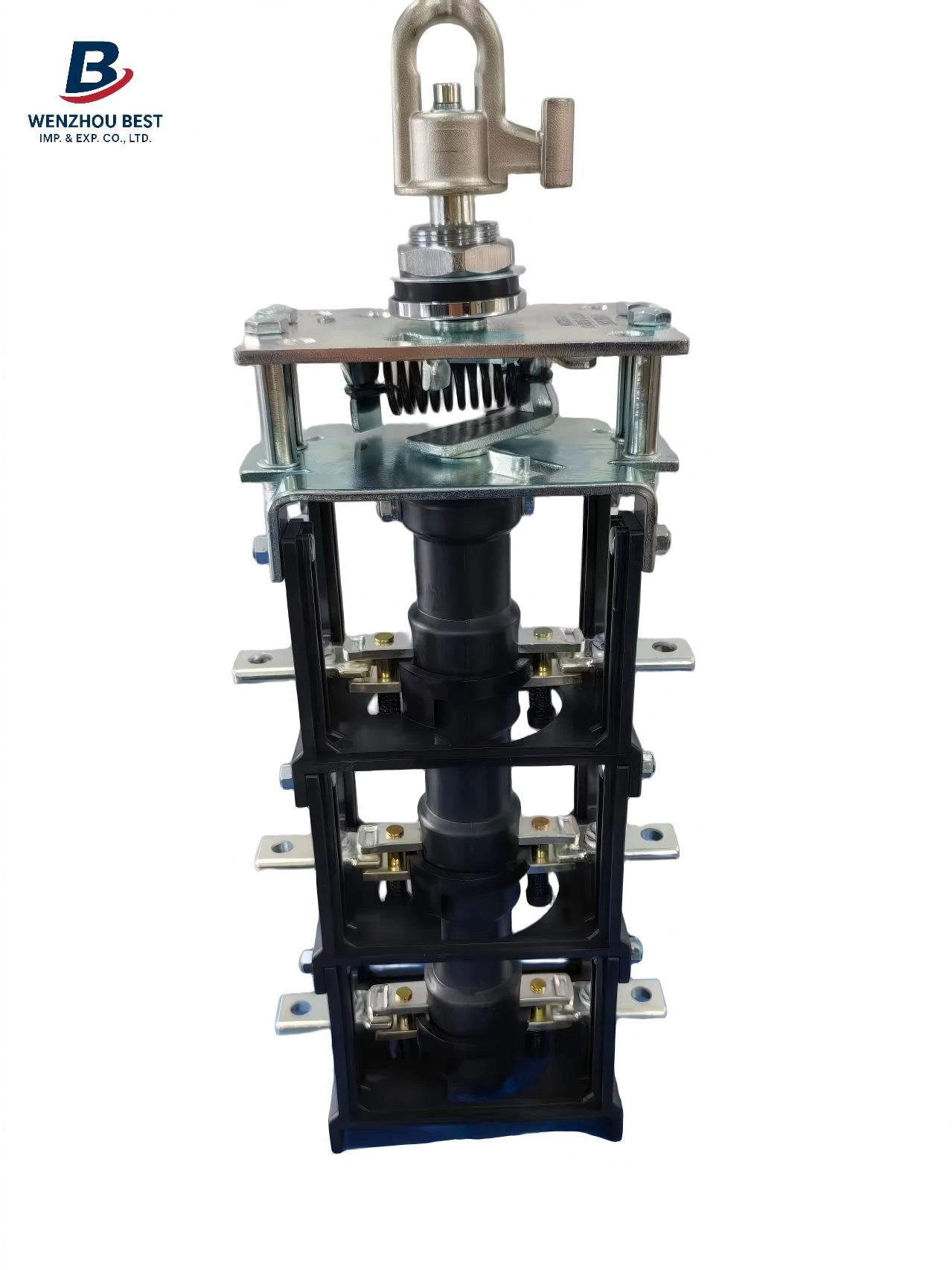
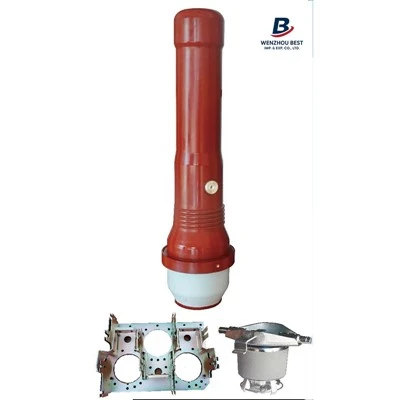
Routine maintenance of transformer assemblies primarily involves the daily monitoring of their operational status. During transformer operation, it is essential to periodically inspect voltage, current, load conditions, and operating temperatures to ensure that all parameters remain within their rated ranges. For oil-immersed transformers, particular attention should also be paid to maintaining normal oil levels, monitoring for any changes in oil color, and checking for the presence of abnormal odors or oil leaks. These indicators often serve as early warning signs of potential internal issues within the equipment.
Routine maintenance procedures also require inspecting components-such as bushings, terminals, and the housing-for any signs of looseness, overheating, electrical discharge marks, or dust accumulation. Special attention should be directed toward connection points and tap changers, as these areas are prone to overheating caused by poor electrical contact. Furthermore, it is crucial to maintain a clean surrounding environment to prevent dust, debris, or humid air from compromising the equipment's insulation performance.
Finally, preventive maintenance and periodic testing constitute a critical aspect of the process. In addition to daily visual inspections, it is necessary to periodically conduct tests such as insulation resistance measurements, oil quality analysis (for oil-immersed units), and winding DC resistance tests to accurately assess the overall health of the equipment. When necessary, components should be tightened, cleaned, or replaced if they show signs of aging, thereby extending the transformer's service life and enhancing the reliability of the power supply.