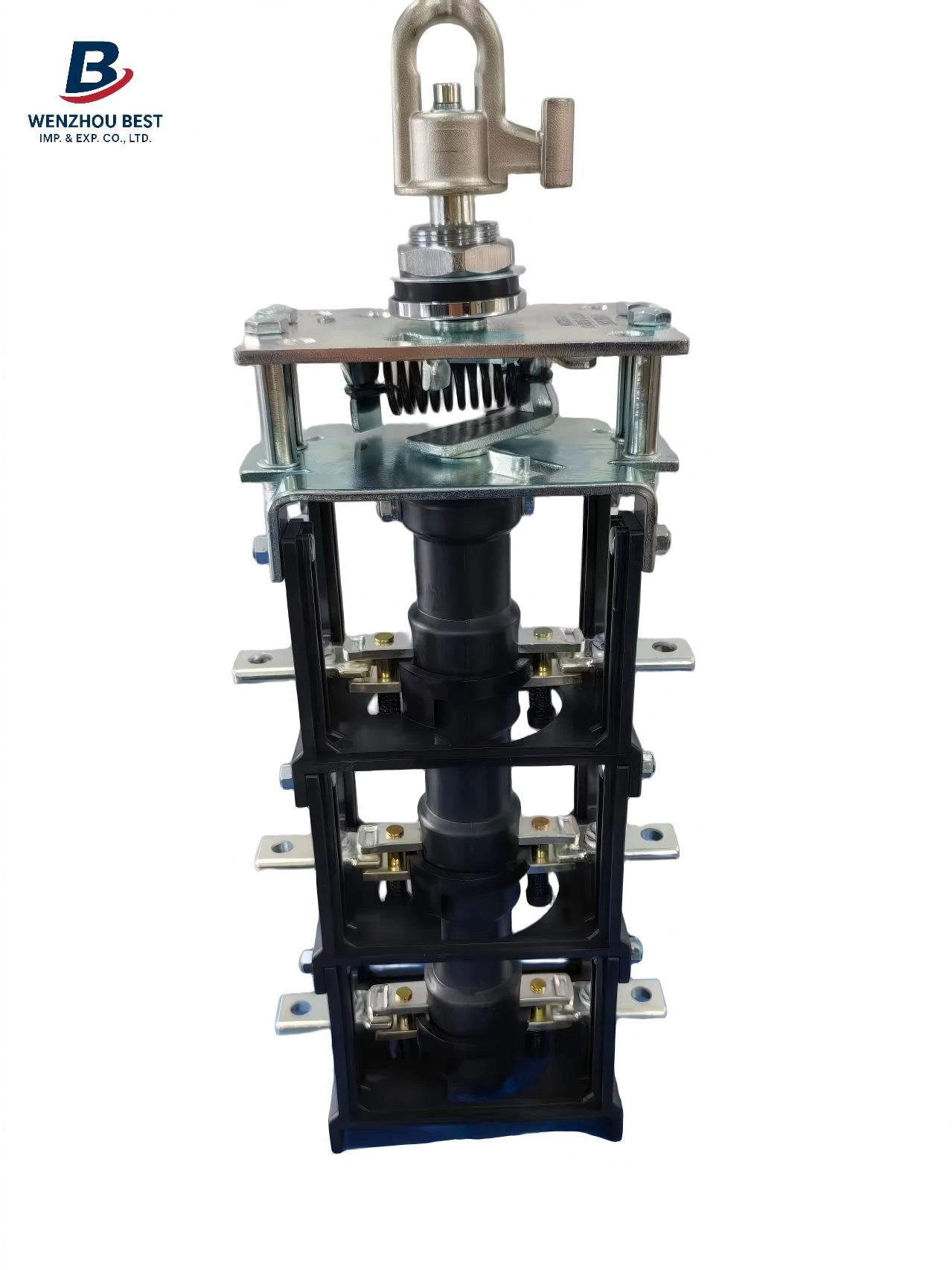
A current transformer (CT) is a measurement device based on the principle of electromagnetic induction; it proportionally converts high currents into standard low currents-typically 5A or 1A-for use in power system safety monitoring and energy metering. Its core functions include standardizing measurement instrumentation, transmitting current data to secondary equipment, and ensuring safety through electrical isolation. Accuracy classes are categorized into metering classes (0.1–0.5) and protection classes (Class P).
This device influences protection settings through its transformation ratio (the ratio of primary to secondary current); consequently, the secondary circuit must be grounded at a single point to prevent high-voltage intrusion. Emerging technologies-such as quantum current transformers utilizing NV-center sensors and all-fiber-optic sensors-overcome traditional issues related to magnetic saturation and support a wide dynamic range.
Widely deployed across smart grids, new energy grid integration, and industrial control systems, these devices require periodic maintenance and calibration (now a routine procedure for power supply authorities) to ensure metering accuracy.
When a short circuit or overload occurs in a power system, current transformers can rapidly and accurately transmit fault current signals to protective devices, enabling circuit breakers to act promptly to interrupt the faulty circuit, thereby safeguarding equipment and ensuring the safe operation of the power grid.