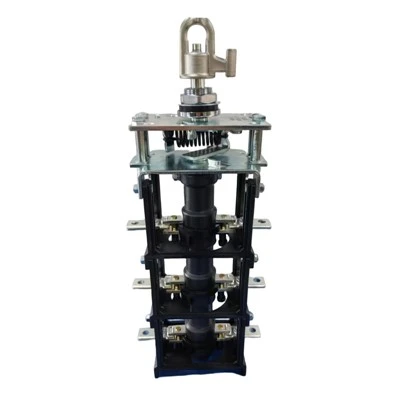
Transformer components constitute an indispensable core element within power systems, distinguished primarily by their highly efficient electrical energy transmission capabilities. Operating on the principle of electromagnetic induction, transformers facilitate energy conversion between different voltage levels, thereby minimizing energy losses during the transmission process. The meticulously engineered windings and iron cores of transformers ensure stable performance even during prolonged operation, providing a robust safeguard for the secure operation of the power grid.
Transformer components are characterized by their exceptional durability and adaptability. Typically constructed using high-strength insulating materials and heat-resistant structural designs, they are capable of operating effectively in a wide range of complex environments-including settings characterized by high temperatures, high humidity, or minor vibrations. Furthermore, the transformers' robust enclosures and effective sealing mechanisms serve to prevent the ingress of dust, moisture, and other contaminants, thereby extending their operational lifespan and reducing the frequency of maintenance requirements.
In terms of both structure and functionality, transformer components also reflect a growing trend toward flexibility and intelligent integration. Beyond their fundamental voltage step-up or step-down functions, many transformers are now equipped with sophisticated monitoring systems and protective devices capable of real-time surveillance of critical parameters-such as temperature, current, and voltage-to provide timely alerts regarding any anomalous conditions. This advanced design not only enhances operational safety but also provides essential technical support for the automation and intelligent management of power systems.