1. Disconnect the low-voltage-side circuit breaker of the box-type transformer undergoing maintenance, remove the control power fuses, and hang a "Do Not Close" warning sign on the switch handle.
2. Disconnect the circuit breaker on the high-voltage side of the transformer undergoing maintenance; close the grounding switch. After ensuring the transformer has fully discharged, lock the high-voltage switchgear cabinet and affix a "Do Not Close" warning sign to the switch handle.
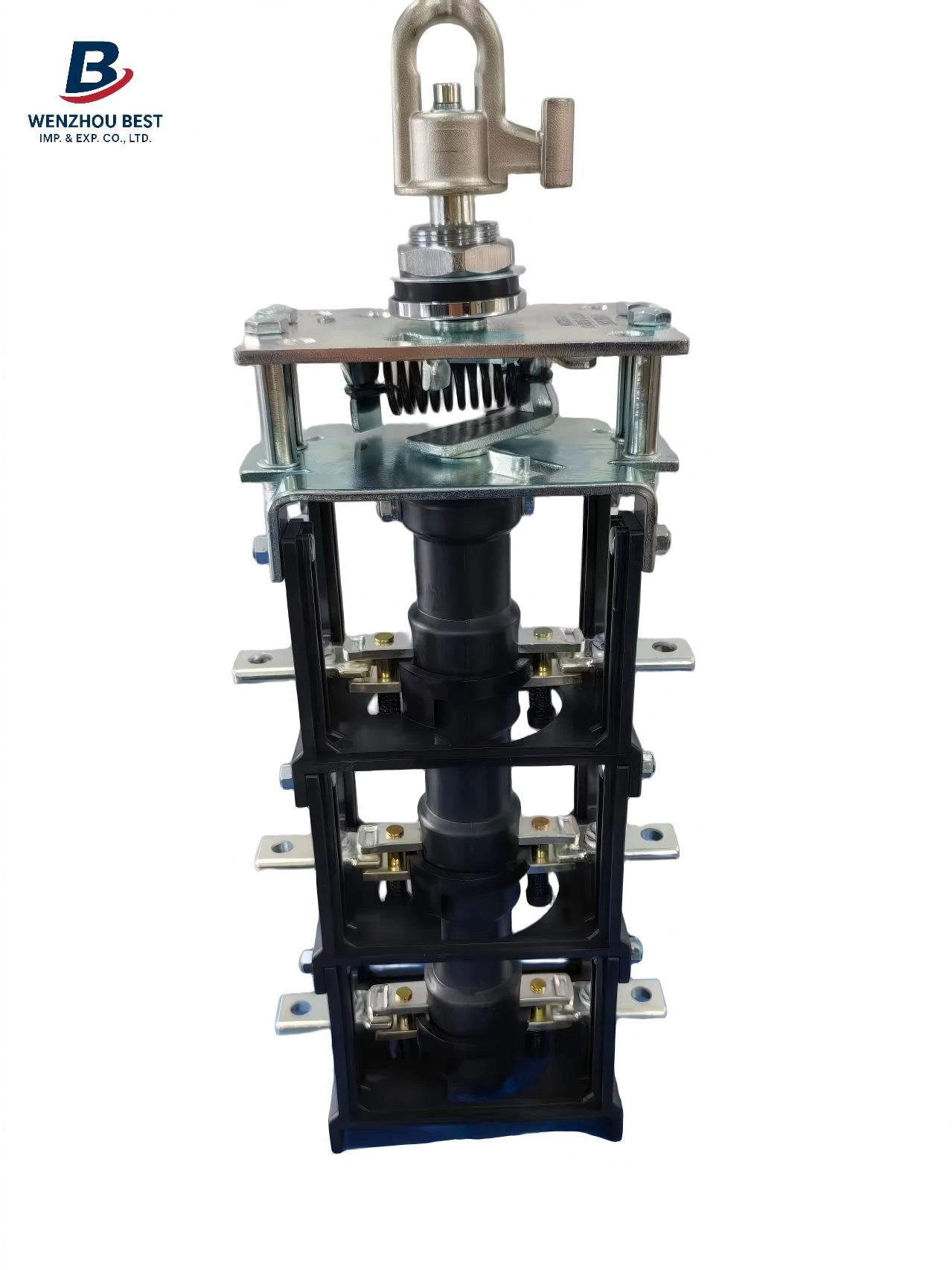
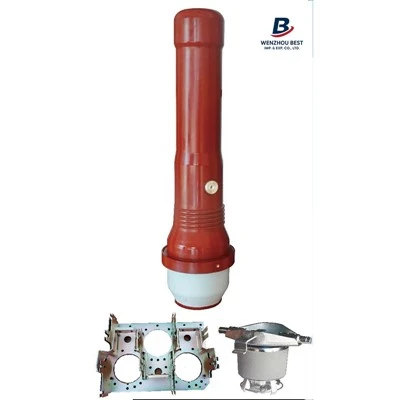
3. For the maintenance of a box-type transformer, first clean the porcelain bushings and the enclosure. Next, inspect the enclosure, gaskets, and porcelain bushings for any cracks, signs of electrical discharge, or aging of rubber seals; also check the cables and busbars for any deformation. Any cracked components must be replaced.
4. Verify that the contact surfaces of the busbars remain clean; remove any oxide layers from the contact surfaces and apply a layer of electrical contact grease.
5. Check the transformer's grounding system to ensure it is sound and that the ground wire shows no signs of corrosion; severely corroded ground wires must be replaced.
6. Tighten all lead terminals, pins, grounding screws, and busbar connection bolts. If any are found to be loose, remove the screw, lightly file the contact surface with a fine flat file, or replace the spring washer and screw to ensure proper contact.
7. Clean accumulated dust from the transformer's surroundings and its accessories. Inspect the fire safety equipment and ventilation system to ensure they are in good working order.
8. Disconnect the grounding switch on the high-voltage side and lock the high-voltage switchgear section. Use a 2500V megohmmeter to measure the insulation resistance. Compare the measured value against the factory test data; the insulation resistance must not fall below 70% of the original factory value. If the results are unsatisfactory, report the issue immediately for appropriate action.
9. Re-engage the grounding switch on the high-voltage side to allow the transformer to discharge once again.
10. Inspect the transformer room and the transformer itself to ensure no tools have been left behind, then vacate the work area.
11. Reconnect the control power fuse for the low-voltage side circuit breaker operation. Re-affix the "Do Not Close" warning sign to prevent accidental back-feeding of power into the transformer.
12. Disconnect the grounding switch on the high-voltage side. Perform a final inspection of the transformer site and the low-voltage control wiring; once verified as safe, close the circuit breaker on the high-voltage side of the transformer to initiate a trial run, and remove the warning sign from the high-voltage side.
13. Compile a detailed record of the maintenance procedures and the trial run results.