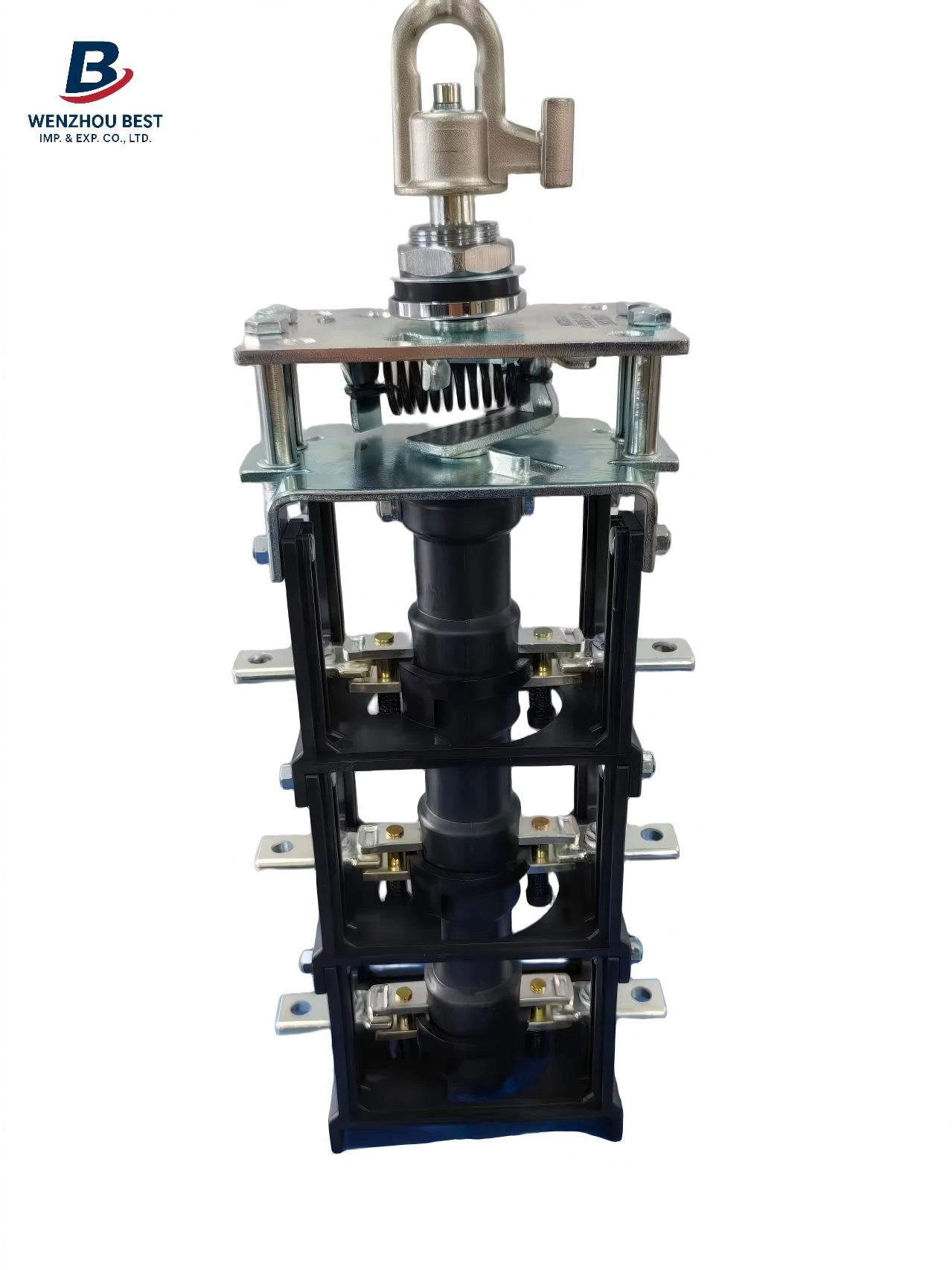
A current transformer (CT) is an electrical instrument used to measure alternating current or to provide current signal isolation. Operating on the principle of electromagnetic induction, it converts a high-magnitude current into a proportionally lower current, thereby enabling safe measurement and control by instrumentation, protective devices, or relays. Within power systems, current transformers not only ensure measurement accuracy but also effectively isolate high-voltage circuits, thereby safeguarding both equipment and operating personnel.
Based on their structure and intended application, current transformers can be categorized into various types. In terms of winding structure, they are classified into toroidal, columnar, and split-core types; among these, toroidal transformers are commonly utilized in power distribution systems, columnar transformers are suited for high-voltage environments, and split-core transformers facilitate ease of on-site installation and maintenance. In terms of application, they are broadly divided into measurement-class and protection-class types; the former prioritizes measurement accuracy, while the latter emphasizes rapid response during fault conditions to ensure the safe operation of the power system.
Current transformers can be further classified based on factors such as mounting method, rated current level, and polarity. For instance, regarding mounting methods, they can be categorized as busbar-through types or surface-mounted types; regarding rated current levels, they are classified into low-voltage, medium-voltage, and high-voltage grades; and regarding polarity, they are distinguished as forward-polarity or reverse-polarity transformers. In practical applications, selecting the appropriate type of current transformer is critical; it not only influences measurement accuracy but also directly impacts the operational safety of the power system and the service life of the associated equipment.