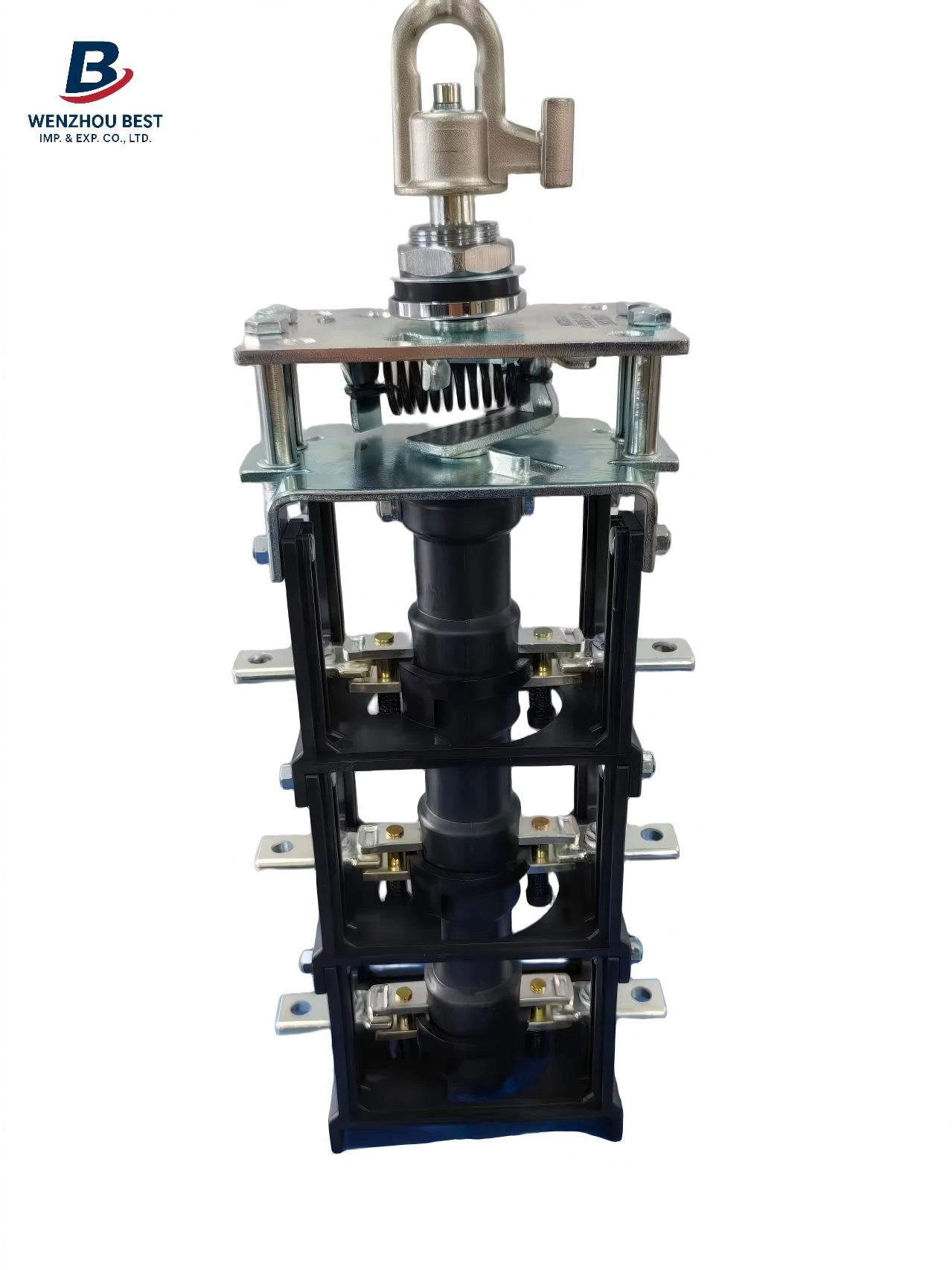
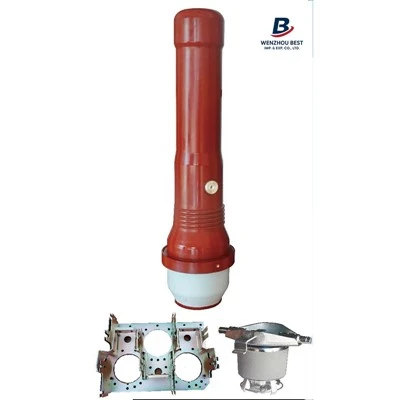
The selection of a Current Transformer (CT) requires a comprehensive assessment of various factors, including the actual operating conditions of the power system, specific measurement or protection requirements, and the installation environment. The primary objective is to ensure both metering accuracy and protection reliability.
The first step is to determine the rated primary current and the transformation ratio. Typically, the CT's rated primary current is selected based on the maximum load current of the line, while incorporating a sufficient safety margin to prevent prolonged operation under overload conditions. Common transformation ratios include 200/5A, 500/5A, and 1000/5A. Ideally, the normal operating current should fall within the range of 60% to 80% of the rated value to guarantee measurement precision and the reliability of protection system actuation.
Secondly, it is essential to consider the accuracy class and its alignment with the intended application. CTs utilized for energy metering typically demand high accuracy-such as classes 0.2S or 0.5-to minimize metering errors. Conversely, CTs employed for relay protection prioritize accuracy under fault current conditions and non-saturation characteristics; consequently, protection classes such as 5P or 10P are frequently selected. Furthermore, attention must be paid to the rated burden (VA value) to ensure that the load on the secondary circuit does not exceed the CT's permissible limits.
Finally, the short-time thermal and dynamic stability capabilities, as well as installation conditions, must be addressed. A CT must be capable of withstanding the impact of system short-circuit currents; therefore, it is necessary to verify that its thermal stability current and dynamic stability current ratings meet the required specifications. Additionally, the selection process should take into account the mounting method (e.g., window-type, post-type, busbar-type), insulation class, ambient temperature, and altitude conditions to ensure safe and reliable long-term operation.