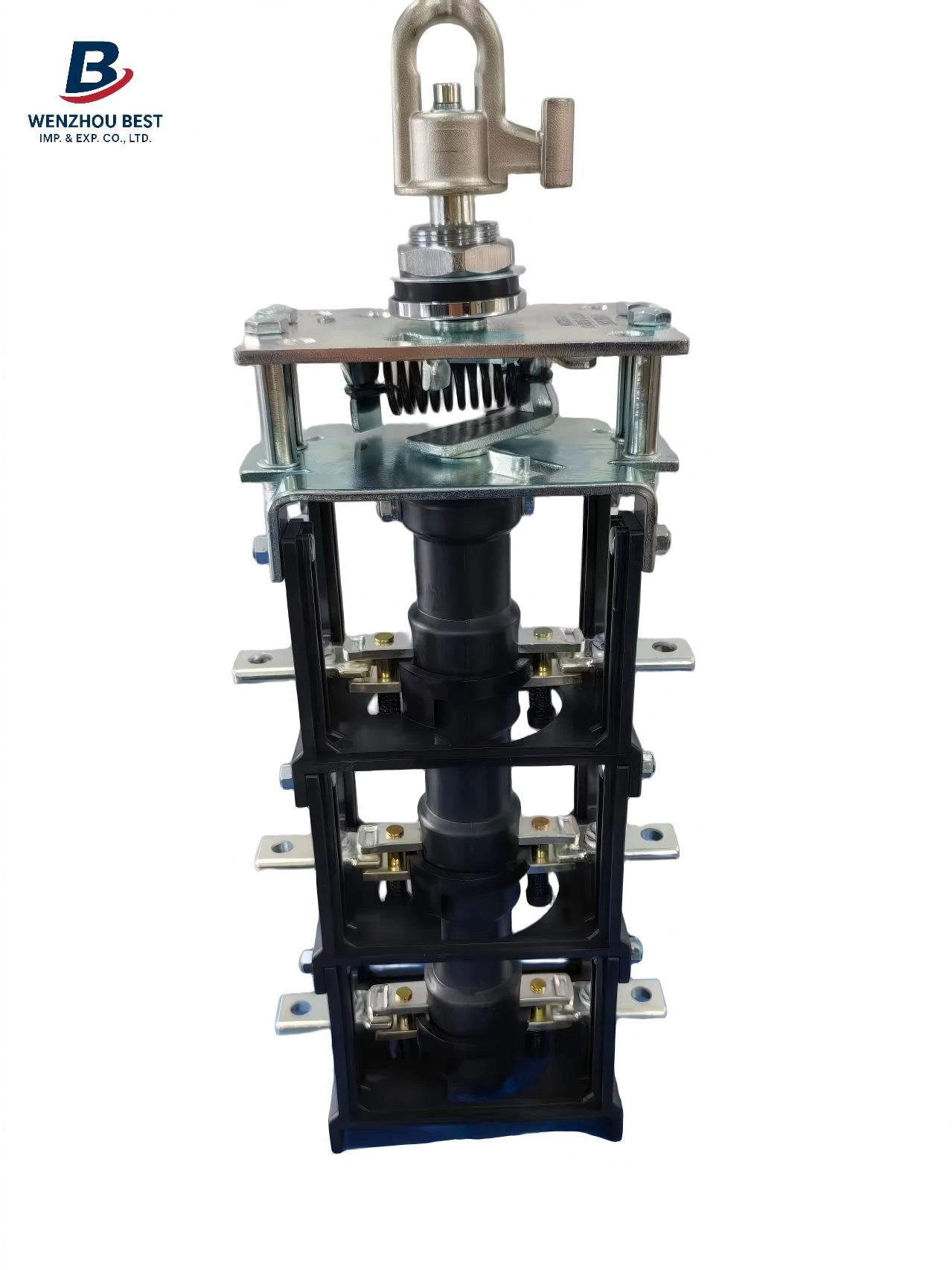
During transportation, paramount importance must be placed on safeguarding the insulation performance and structural integrity of cable accessories; consequently, strict requirements govern their packaging and handling. Upon leaving the factory, these accessories must be enclosed in specialized packaging designed to be shockproof, moisture-proof, and dustproof-typically wooden crates or reinforced cardboard boxes-and fitted with internal cushioning materials to prevent deformation, cracking, or seal failure caused by bumps or collisions during transit. Furthermore, they should not be co-loaded with sharp objects or heavy cargo, thereby preventing external forces from damaging the accessories' surfaces or internal structures.
During transportation, precautions must be taken to shield the accessories from rain, direct sunlight, and high-temperature environments. This is particularly critical for materials such as silicone rubber and epoxy resin, which are highly sensitive to environmental fluctuations; prolonged exposure to adverse conditions may lead to a degradation in performance. Therefore, transport vehicles should be equipped with rain- and dust-proofing capabilities; where necessary, enclosed transport methods should be utilized, and prolonged outdoor parking should be avoided whenever possible. For high-voltage or specialized cable accessories, the intensity of vibration during transit must also be carefully controlled to minimize the impact of mechanical stress on the products.
During loading, unloading, and handling operations, items must be handled with care; throwing or rolling the packages is strictly prohibited. They must be stacked strictly in accordance with the directional markings on the packaging, and a rigorous numbering and tracking system should be implemented to prevent mixing or misidentification of items. Upon arrival, an immediate visual inspection and acceptance check should be conducted; the accessories may be moved into storage only after confirming that they are free from damage, moisture ingress, or deformation. Adherence to standardized transportation management protocols effectively safeguards the factory-fresh quality of cable accessories, thereby establishing a reliable foundation for their subsequent installation and operational performance.