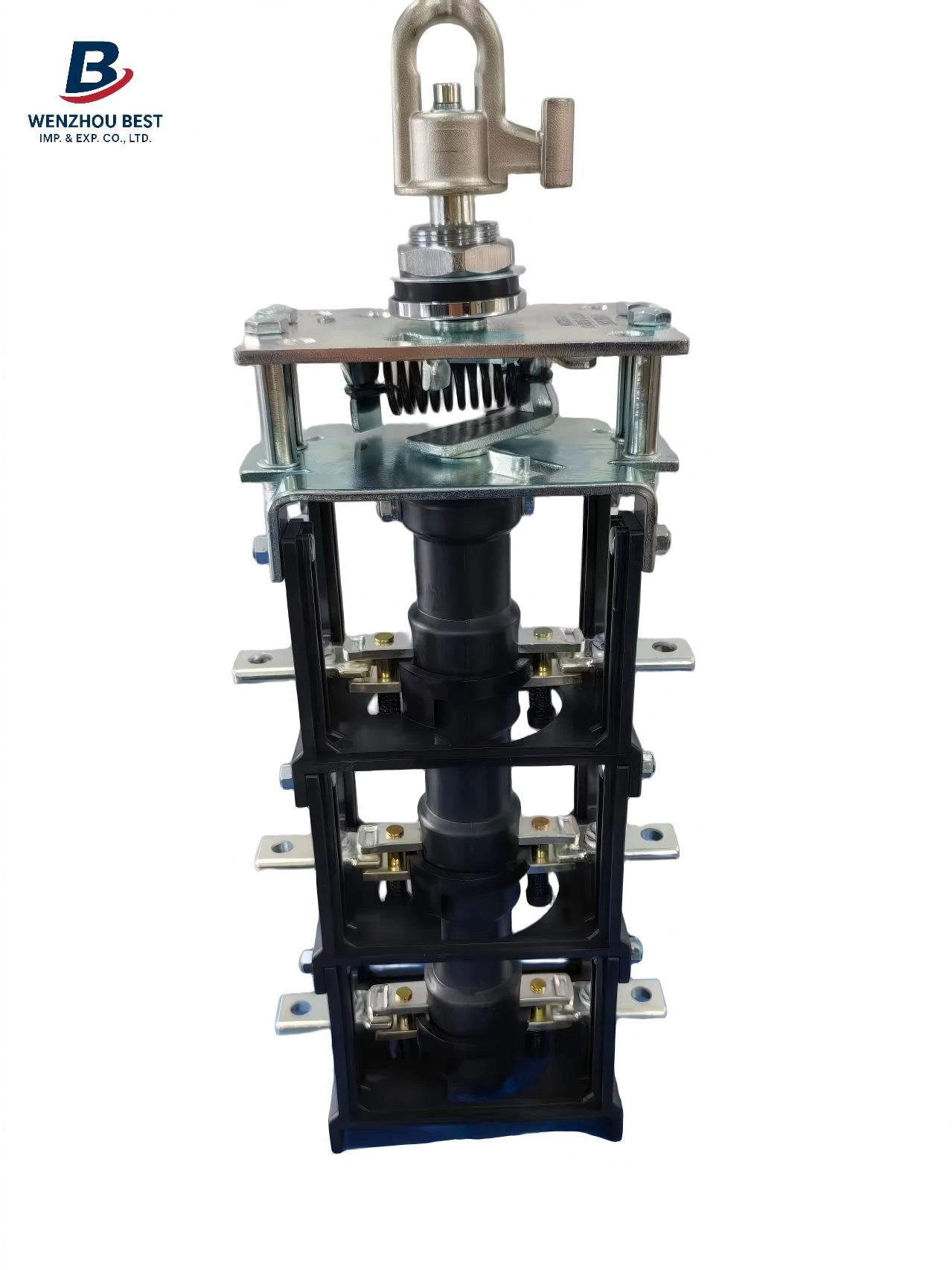
Voltage transformers is a key part of power system for voltage measurement, relay protection, energy metering and automatic control. Running them for long periods of time exposes them to aging insulation, loose wiring and environmental pollution, all of which can affect performance. Therefore, the establishment of a standardized routine inspection, maintenance and testing system is critical for early detection of potential hazards, prolonging equipment lifespan and reducing failure rates. The following are six key tasks of voltage transformers maintenance management.

1.Perform routine visual checks
Daily patrols are the first step in ensuring the safe operation of voltage transformers. Operations and maintenance personnel shall regularly inspect the equipment's exterior and pay close attention to cracks, damage, discharge marks or contamination flashes in the enamel and insulated housing.
For oil-impregnated voltage transformers, the inspection shall include verifying that the oil level is within normal range and checking for oil leaks or seepage. For dry voltage transformers, the dust accumulation, humidity or discoloration of the housing should be noted. In addition, equipment nameplates and warning signs should be checked for clarity and completeness to ensure that equipment information is accurate and legible.
Standardized visual inspections can detect anomalies in time to prevent minor problems from turning into serious malfunctions.
2.Check running status and wiring conditions
During operation, the main and secondary lines of the voltage transformer shall be inspected periodically for safety and for looseness, overheating, oxidation or corrosion of the wiring terminals.
At the same time, we should monitor the operation sound of the equipment and investigate and deal with the abnormal buzzing, discharge noises and vibration. The status of secondary circuit fuses, circuit breakers and groundbreakers also needs to be verified to ensure the reliable operation of protective and measurement circuits.
Proper wiring conditions can not only ensure accuracy of measurement but also minimize equipment failures due to poor electrical contact.
3. Regular cleaning and maintenance
Long-running Voltage transformers are susceptible to dust, oil, salt mist and industrial pollutants. Insulation performance particularly vulnerable to degradation in coastal areas, chemical plants and locations with high dust levels. Maintenance personnel shall formulate a cleaning plan according to the site environment, regularly remove dust and dirt from insulator surfaces and keep the equipment clean. For outdoor equipment, rain shields and shields must also be inspected to ensure they are intact and prevent rainwater from entering the equipment.
Cleaning operation must strictly observe the safety protocols of the deelectrifying equipment, and it is strictly forbidden to wipe equipment when it is charged to ensure the safety of personnel and the equipment itself.
4. Conduct Insulation Performance Tests
Insulation performance is an important index to evaluate the operation state of voltage transformers. According to the maintenance schedule, the operating unit shall regularly conduct insulation resistance, dielectric loss, AC voltage resistance, etc., to assess the equipment's insulation condition.
If a significant decrease in insulation resistance, increased dielectric loss or abnormal pressure test results are detected, further checks should be made for moisture ingress, aging insulation or internal defects. Decisions on repair or replacement should be based on test results.
For oil-impregnated voltage transformers, an oil sample analysis should also be conducted to assess the dielectric strength, moisture content and dissolved gas levels of insulating oil, leading to a more comprehensive assessment of the health of the equipment.
5. Check Transformation Ratio and Measurement Accuracy
The accuracy of voltage transformer conversion ratio directly affects the reliability of energy metering and relay protection, so it is necessary to carry out transformation ratio test and polarity checks regularly.
Special Specialized testing instruments should be used to verify that the actual transformation ratio conforms to the nameplate specification, as well as to check the stability of the secondary output voltage and to ensure that errors are kept within permitted limits. If the transformation ratio deviation exceeds the limit, the winding, core or wire shall be inspected promptly for abnormalities and appropriate corrective measures shall be taken.
In addition, voltage transformers used for metering purposes must be periodically validated for accuracy in accordance with relevant standards to ensure the authenticity and reliability of metering data.

6. Establish a Comprehensive Maintenance Records and Preventive Maintenance Systems
Standardized equipment management requires not only on-site inspection, but also the establishment of complete operating dossiers and maintenance records. Details of every inspection, test, maintenance activity, and troubleshooting-including time, test data, observed anomalies, and results-should be carefully recorded.
By accumulating long-term operational data, it is possible to analyse performance trends, identify potential risks in advance and develop targeted preventive maintenance plans, rather than waiting for equipment to malfunction before making repairs. With the development of smart grid, more and more substations adopt on-line monitoring system to track temperature, partial discharge and insulation status of voltage transformer in real time. This makes conditions-based maintenance possible and improves the reliability of equipment operation.
Abstracts
The safe operation of a voltage transformers depends on standardized inspection, maintenance and testing procedures. Potential equipment problems can be identified early through Diligent visual inspections inspection, operational status inspection, equipment cleaning, insulation performance testing, transformation ratio accuracy checks and appropriate maintenance records management. These methods improve measurement accuracy and reliability of relay protection systems and prolong the equipment's service life. For power utilities, the combination of preventive maintenance and conditional maintenance is a key measure to ensure the safe and stable operation of the power grid.
Frequently Asked Questions
Q1: What is the appropriate frequency to inspect voltage transformers?
A: Daily inspections are generally conducted in accordance with operational management protocols, usually once a day or once a week. Detailed maintenance and specialized testing are usually organized according to the type of equipment, operating environment, and relevant standards --usually once a year or according to a specified maintenance cycles.
Q2: What does it mean for the insulation resistance of voltage transformer to decrease?
A: It is usually associated with moisture ingress, aging insulation, contamination or internal defects. Further testing and analysis should be conducted in a timely manner and repairs or replacements should be arranged as necessary.
Q3: Why do periodic transformation ratio need to be tested?
A: The transformer output ratio test proves the accuracy of transformer output. It ensures that energy metering, relay protection and monitoring systems receive correct voltage signals, thus preventing system operation problems caused by measurement errors.
Q4: What are the safety requirements for voltage transformer maintenance?
A: Maintenance work must strictly follow safety protocols such as power disconnection, voltage verification and grounding,and utilize certified insulation tools and testing equipment. Operations must be carried out by qualified personnel to ensure the safety of staff and equipment.