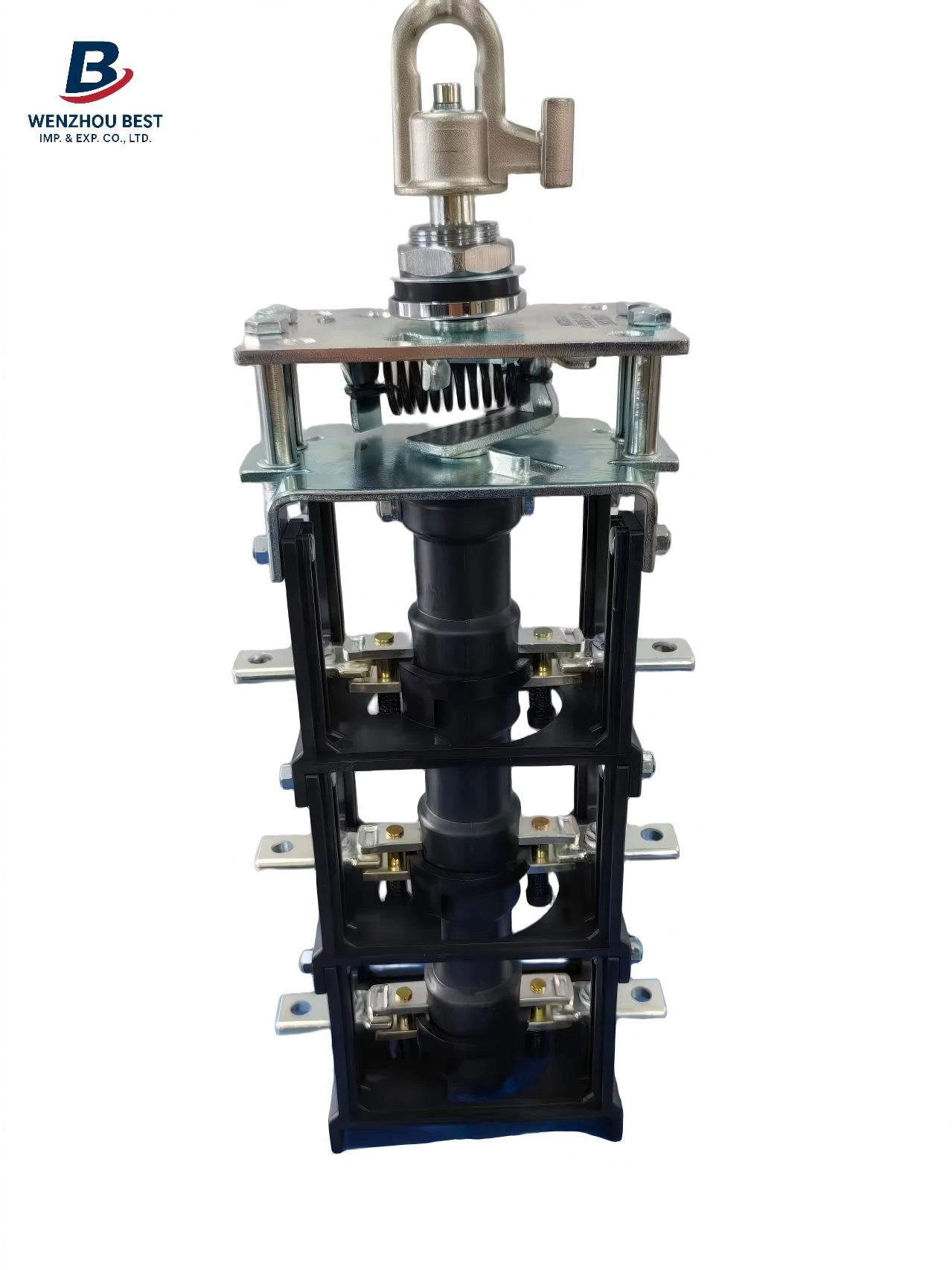
The storage method employed for cable accessories prior to installation has a significant impact on the preservation of their performance and their overall service life. They should be stored in a dry, well-ventilated indoor environment, away from direct sunlight, rain, or humid conditions, to prevent the insulation materials from absorbing moisture, aging, or undergoing deformation. The storage facility must be kept free from corrosive gases, dust, and high-temperature sources to ensure that the accessories maintain stable performance over the long term.
Cable accessories should be laid flat or stacked securely in accordance with the manufacturer's specifications, avoiding tilting, excessive stacking heights, or exposure to physical impact. For open-type or epoxy-resin accessories, protective measures-such as short-circuiting terminals or applying protective covers-should be implemented to prevent dust ingress or mechanical damage; additionally, care must be taken to avoid subjecting the accessories to prolonged compressive loads that could lead to structural deformation.
A comprehensive inventory management system should be established to assign a unique identification number to each accessory, recording its model type, manufacturing date, and inspection status. Accessories that have been in long-term storage must undergo necessary electrical and mechanical performance checks-such as insulation resistance testing and dimensional verification-prior to use, to ensure they meet operational requirements. Adopting a scientifically sound storage approach effectively extends the service life of these accessories and guarantees their reliability and safety once placed into service.